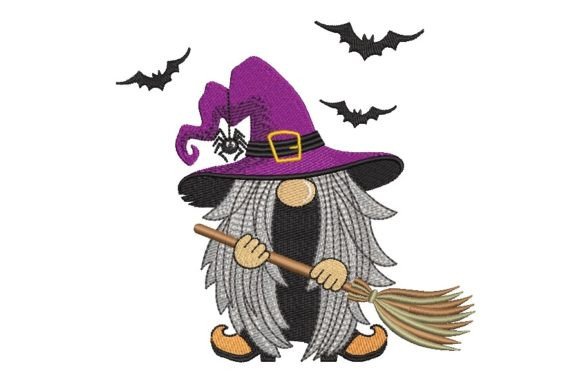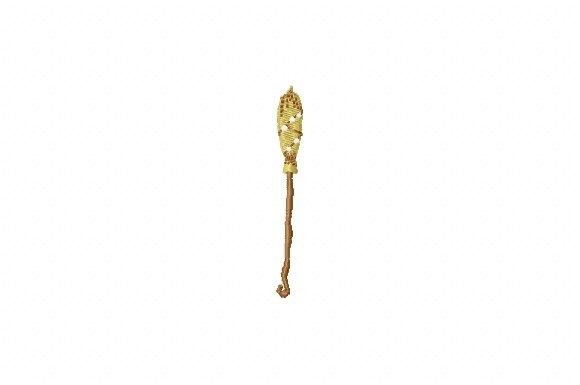
Broom
First Impressions: A Professional Embroidery Designer’s Take
The Broom design immediately strikes a balance between whimsy and professionalism. Its clean lines and structured elements suggest it can work well in both casual and branded settings. The title alone evokes a sense of purpose and tradition, making it a strong candidate for small business merchandise that wants to stand out without being too playful.
Design Personality and Brand Fit
Broom carries a friendly yet polished vibe. It feels like something you'd see on a boutique apron or a custom cap for a local café. The design is detailed enough to be visually engaging but not so intricate that it loses clarity at smaller sizes. This makes it versatile for various applications, from embroidered patches to product labels.
As an embroidery designer, I would consider Broom as a great fit for brands looking to convey a welcoming, handmade aesthetic. It could easily complement a brand identity centered around community, creativity, or seasonal themes—especially during the Halloween season when its imagery becomes more relevant.
Business Use Cases for Broom
Broom has broad appeal across multiple small business sectors. Here are some practical use cases:
- Embroidered Patches: Perfect for adding a unique touch to uniforms, caps, or tote bags. It can serve as a subtle logo or a bold statement depending on the thread color and placement.
- Chest Logo Accent: Ideal for staff uniforms or branded aprons where a small, eye-catching detail can make a big difference.
- Sleeve Detail: Adds a personalized element to custom apparel, especially for boutique shops or craft businesses.
- Cap Design: Works well on front panels, offering a memorable branding opportunity for coffee shops or event merch.
- Tote Bag Mark: A great way to promote a brand on everyday items, enhancing customer engagement and brand recognition.
- Product Packaging Accents: Can be used on tags, labels, or even fabric packaging to elevate the overall presentation.
- Customer Gifts: Makes for a thoughtful and personalized gift, especially for seasonal promotions or holiday events.
- Etsy Branding: Offers a unique selling point for handmade creators looking to differentiate their products in a competitive market.
- Commercial Embroidery Projects: Suitable for both small-scale and larger production runs, depending on the file format and stitch density.
Considerations for Real-World Application
While Broom is promising, there are a few things to keep in mind before using it in commercial settings:
- Small Patch Sizes: Ensure the design works well at reduced scales, as intricate details may become lost in tiny formats.
- Cap Fronts and Curved Surfaces: Test how the design performs on curved or uneven surfaces to avoid distortion or misalignment.
- Tiny Lettering and High Stitch Density: Be cautious with fine text and dense stitching, which may not translate well to all fabric types.
- Fabric Texture: Consider how the design interacts with different textures, especially if it's meant for items like aprons or tote bags.
- Dark Uniforms: Check contrast and visibility when using black or dark-colored fabrics, as this can affect legibility and impact.
- Frequent Washing: Assess durability and long-term appearance, particularly for items that will undergo regular wear and cleaning.
Impact on Brand Identity and Customer Trust
Using Broom in your small business merch can significantly enhance your brand identity. It adds a visual story that customers can connect with, reinforcing trust and recognition. The design's consistent style supports visual consistency across all product lines, which is crucial for building a recognizable brand.
From a customer perspective, Broom offers a sense of quality and care, which aligns with the values of many small businesses. Whether it's a handcrafted item or a mass-produced patch, the design contributes to the perception of value and craftsmanship.
Practical Embroidery Designer Notes
Before finalizing Broom for production, consider these key steps:
- Test in Black and White: Ensure the design maintains clarity and structure without color.
- Check Small Patch Size: Confirm the design remains readable and appealing at reduced dimensions.
- Review Thread Color Contrast: Choose colors that enhance visibility and readability on the intended fabric.
- Inspect Spacing: Ensure proper spacing for stitching to prevent overcrowding or distortion.
- Confirm Hoop Size: Verify the design fits within the recommended hoop size for your machine.
- Test on Real Fabric: Always perform a test run to assess how the design looks and behaves on actual material.
- Use Proper Stabilizer: Select a stabilizer that supports the fabric type and design complexity.
- Create a Mockup: Provide a printable mockup for client approval before full production.
- Compare with Other Assets: Ensure Broom aligns with your overall design language and brand assets.
- Confirm Commercial Licensing: Always verify that the design is suitable for commercial use before proceeding.
Final Thoughts on Broom
Broom is a versatile and professional embroidery design that can elevate your small business merch in meaningful ways. Whether you're creating branded patches, custom apparel, or product labels, it offers a blend of personality and functionality that appeals to a wide range of markets. With careful preparation and testing, Broom can become a valuable asset in your design toolkit, helping you build a stronger brand presence and customer connection.